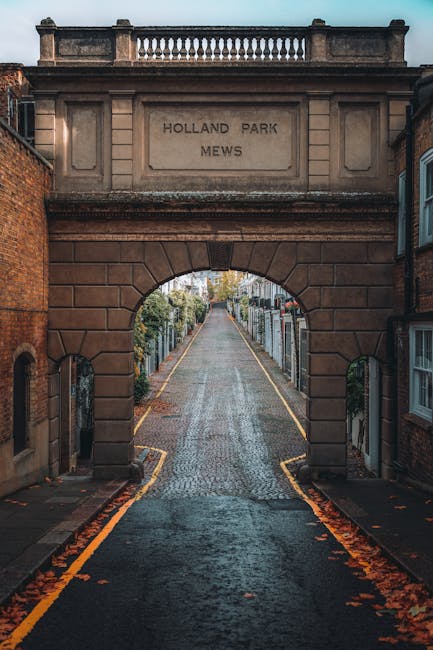
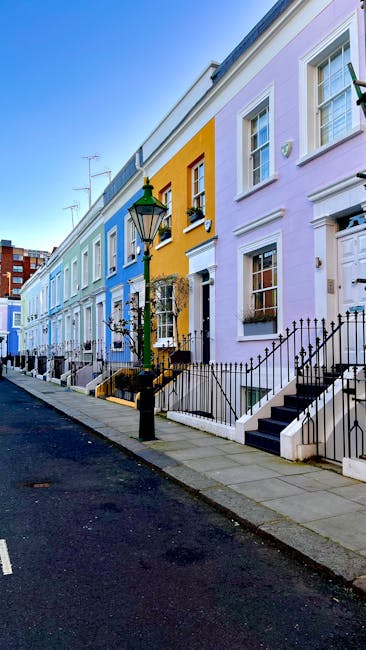
Best moving routes around Holland Park Avenue for removals
Planning a move near Holland Park Avenue is less about finding a single "best" road and more about choosing the safest, calmest route for your specific property, vehicle size, and moving time. That matters because the area can feel straightforward on a map, yet real-world access is often shaped by bus lanes, one-way streets, loading restrictions, narrow residential side roads, school traffic, and the simple fact that a large removal van does not behave like a compact car.
If you are moving home, relocating a flat, or organising a commercial move, the route you choose can affect everything from parking stress to how long your crew spends carrying boxes upstairs. This guide breaks down the most practical route-planning considerations around Holland Park Avenue, how professional movers think about access, and what you can do to make the day smoother. If you are comparing services at the same time, you may also find it useful to look at home moving support in Kensington, a flexible man and van option, or vehicle hire for larger moves.
Quick takeaway: the best route is usually the one that reduces reversing, avoids tight turns, keeps you clear of peak congestion, and gives you a legal place to stop without turning the move into a traffic puzzle.
Table of Contents
- Why route choice matters around Holland Park Avenue
- How moving route planning works in practice
- Key benefits and practical advantages
- Who this is for and when it makes sense
- Step-by-step guidance for planning the move
- Expert tips for better results
- Common mistakes to avoid
- Tools, resources and recommendations
- Law, compliance, standards and best practice
- Options, methods and comparison table
- Case study or real-world example
- Practical checklist
- Conclusion
- Frequently asked questions
Why Best moving routes around Holland Park Avenue for removals Matters
Holland Park Avenue sits in a part of West London where moving logistics can change quickly from one block to the next. On paper, a direct route may look efficient. In practice, though, a removal vehicle may need to avoid roads with awkward turning radii, time-restricted loading bays, or sections where traffic builds up faster than you planned for.
That is why route selection is not just a driver's job. It is part of the removal plan. A good route helps protect furniture, keeps the crew on schedule, and reduces the risk of unnecessary delays. It can also prevent the classic moving-day headache: everything is packed, the van is ready, and then the only legal stopping point is two streets away from the front door.
For households moving from flats, terraces, or mansion blocks, the access side is often just as important as the packing side. If you need help balancing both, packing and unpacking support can free up time while the route and loading plan are being finalised. For heavier moves, a well-matched vehicle from removal truck hire may be more practical than trying to squeeze everything into multiple smaller trips.
The area also rewards advance thinking. If your move involves a larger property or a business relocation, route planning is a way to protect the day from avoidable friction. Truth be told, most moving stress in busy London comes from access problems, not from the lifting itself.
How Best moving routes around Holland Park Avenue for removals Works
Good route planning starts with three questions: where is the vehicle coming from, what size is it, and exactly where does it need to stop? Once those are clear, the route can be built around practical priorities rather than guesswork.
In simple terms, movers tend to assess the journey in layers:
- Main approach roads: which wider roads help the vehicle arrive without entering tight residential lanes too early.
- Final approach: the last turn or two near the property, where width, kerb access, and turning space matter most.
- Stop point: the most realistic place to load or unload legally and safely.
- Exit route: how the vehicle leaves without reversing awkwardly or blocking traffic longer than necessary.
For many removals around Holland Park Avenue, the smartest route is the one that keeps the van on cleaner, wider roads for as long as possible, then uses a short, well-planned final approach. That might mean prioritising a route that is slightly longer in miles but easier in practice. A few extra minutes on the road can save a lot more time at the kerb.
Vehicle choice matters here too. A small van or man with van setup can often handle tighter access more easily than a full removal lorry. On the other hand, if you have a full family home or an office with desks, monitors, files and fixtures, a larger vehicle may reduce the number of trips and lower the total handling risk.
The route should also reflect time of day. Early mornings can be calmer, but not always if there are school runs or deliveries nearby. Midday can be more workable for some addresses, while evenings may bring their own congestion and parking challenges. There is no universal answer; the best route is the one that matches the move window and the property layout.
Key Benefits and Practical Advantages
A well-chosen moving route does more than save time. It improves the entire removal experience from the first minute to the last box.
- Less delay at the property: the crew can get the vehicle into position faster.
- Lower handling risk: shorter carries mean fewer chances of scuffs, knocks, and dropped items.
- Better parking outcomes: a planned stop is safer than improvising on the day.
- Cleaner schedule control: you are less likely to miss keys, elevator bookings, or building access windows.
- Reduced stress: fewer surprises usually means a calmer move.
For businesses, the benefit is even clearer. A carefully planned route can help reduce downtime, especially if you are shifting files, IT equipment, stock, or office furniture. If that sounds familiar, a service such as office relocation services or broader commercial moves support may be worth considering, because business moves often need tighter timing and more precise vehicle coordination.
Another overlooked advantage is neighbour goodwill. A vehicle that arrives, loads, and departs without blocking drives or sitting half-on, half-off the kerb is simply easier on everyone around it. That may sound small, but on a narrow street in a busy area, it can make a real difference.
Who This Is For and When It Makes Sense
This kind of route planning is useful for almost anyone moving in or around the Holland Park Avenue area, but it becomes especially valuable in a few common situations.
- Flat moves: where stair carries, limited parking, and lift access make time on the kerb important.
- Family home moves: where there is simply more volume to move and vehicle sizing matters.
- Office relocations: where timing, access windows, and equipment handling need precision.
- Short-notice moves: where a practical route can reduce the pressure of a compressed schedule.
- Bulky-item collections: such as furniture pick-ups or single-item transport.
If your move is small and straightforward, a lighter vehicle may be enough. That is where a service like man and van can be a sensible option. If you are moving a whole household or a larger inventory, consider whether you need a stronger transport setup and more hands on site. For some people, house removalists are the most efficient route because the service is built around the realities of full-property moves.
It also makes sense when you want to avoid the "we'll just see on the day" approach. That might work in a quiet suburb. In West London, it often leads to last-minute compromises. A little planning goes a long way.
Step-by-Step Guidance
Here is a practical way to plan a removal route around Holland Park Avenue without overcomplicating things.
- Map the destination and exact entry point. Do not stop at the postcode. Identify which door, loading point, or access gate the vehicle actually needs.
- Check vehicle size against street layout. Bigger vans need more turning room, clearer sight lines, and fewer tight corners.
- Review nearby road types. Prefer wider connecting roads for the main approach, then shorten the final approach as much as possible.
- Look for stopping constraints. Consider yellow lines, resident bays, loading bays, and any timed restrictions that might affect arrival.
- Choose your move window carefully. Build the route around likely congestion, deliveries, school traffic, and building access times.
- Confirm building rules. Lifts, concierge desks, delivery bookings, and service entrances all affect the final decision.
- Assign a backup plan. If the first stop point is unavailable, decide in advance where the vehicle can safely wait or reposition.
A useful habit is to think about the move from the vehicle's perspective. Can it arrive, stop, load, leave, and turn without drama? If the answer is "mostly," keep refining the plan. The difference between "mostly" and "ideal" is often an extra ten minutes of work before moving day, which is usually time well spent.
For moves involving fragile items or awkward furniture, a service that combines transport with careful handling can help. In some cases, furniture pick-up support or coordinated vehicle hire can make the logistics simpler than trying to stack multiple independent tasks onto one busy day.
Expert Tips for Better Results
Small adjustments often create the biggest gains. These are the tips that tend to matter most in real removals.
1. Plan for the last 200 metres, not just the main journey
The motorway or main road is rarely the problem. The trouble starts when a van has to turn into a tight side street, reverse past parked cars, or stop in a place where the driver cannot safely stay for long.
2. Match the vehicle to the street, not just the volume
A large van is not automatically the best answer. If access is tight, a more compact vehicle may save time and reduce the chance of multiple repositioning attempts. Sometimes two smaller trips are smoother than one oversized one.
3. Build in a buffer for building access
If the lift is being shared, the concierge desk is busy, or the loading zone is not immediately available, the route plan needs to absorb that delay. No one enjoys waiting with a sofa in the rain. That one is fairly obvious, but easy to overlook.
4. Keep the driver and movers aligned
It helps when the person navigating knows what the team inside the property is doing. If the route, parking plan, and carry path are all coordinated, the whole move tends to feel less fragmented.
5. Use a service that fits the job
Different moves need different service levels. A larger household may benefit from home moves support, while a business may need office relocation services. A simpler collection might only need a van and a trained helper. The right fit matters more than the fanciest label.
Common Mistakes to Avoid
Most moving problems near busy London roads come from a small number of predictable mistakes. Avoid these and you will be ahead of the curve.
- Assuming the sat-nav is enough. Navigation apps are useful, but they do not know your building's loading restrictions or whether a road is practical for a moving truck.
- Leaving parking to chance. A "we'll find somewhere" approach can quickly turn into long carrying distances.
- Ignoring vehicle turning space. A road may be legal to enter but still awkward to leave.
- Forgetting about time of day. A route that looks fine at 10 a.m. may be much less attractive at school-run or rush hour.
- Not warning the building. Reception, neighbours, or building managers may need advance notice to make access smoother.
Another common issue is underestimating the amount of time loading takes. Heavy items, lifts, staircases, and fragile packing all slow the process down. If you are not sure how long the move will take, plan conservatively. It is much easier to be pleasantly early than to be racing the clock because the van was scheduled too tightly.
Tools, Resources and Recommendations
You do not need a complex logistics stack to plan a good route. A few simple tools and habits are often enough.
- Street-view style checking: useful for spotting road width, kerb access, and awkward corners.
- Route planning apps: good for comparing travel times at different hours.
- Property notes: make a short note of entrance position, lift access, and loading zone details.
- Building management contact: helpful for confirming move-in or move-out windows.
- Vehicle specification: know the length, height, and turning needs of your van or truck before choosing the route.
If you are comparing services, it can also help to review company information before booking. Pages such as about us and the Kensington Storage company overview can give you a sense of how the business presents itself, while contact details make it easier to ask route-specific questions before the move. For short, flexible jobs, man with van support may be enough; for larger jobs, truck hire can be the better fit.
Law, Compliance, Standards, or Best Practice
Removal work in London is shaped by practical compliance rather than one single rulebook. The main thing to remember is that legal parking, safe loading, and proper access planning matter. If a vehicle stops where it should not, or blocks traffic in a way that creates risk, the move can become more expensive and more stressful very quickly.
Best practice usually includes:
- confirming whether the destination has loading restrictions or resident-only bays;
- checking whether a moving vehicle needs special access arrangements;
- making sure the team understands local traffic conditions and one-way systems;
- using safe lifting and carrying practices for heavy or awkward items;
- keeping clear communication between the customer, driver, and crew.
If you are moving into or out of a managed building, the property may also have its own rules for lift protection, booking slots, or service entrance use. Those are not just "nice to know" details; they often determine whether the day runs smoothly. When in doubt, ask early and keep a written record of what was agreed.
For anything involving heavy furniture or specialist handling, choosing trained movers is a sensible risk-reduction step. That is particularly true if you are booking a broader service such as packing and unpacking services alongside transport.
Options, Methods, or Comparison Table
Different move types need different route strategies. Here is a simple comparison to help you choose the best approach.
| Method | Best for | Strengths | Limitations |
|---|---|---|---|
| Small van route | Studio flats, light loads, single-room moves | Easier access, simpler parking, good for narrow streets | May require more trips for larger loads |
| Man and van approach | Flexible local removals | Quick to book, good for mixed item loads, practical for tight areas | Not always ideal for full-house moves |
| Full removal truck route | House moves, large furniture sets, business relocations | Fewer trips, stronger capacity, better for larger inventories | Needs more space, more careful access planning |
| Scheduled commercial move route | Offices and operational spaces | Better coordination, reduced downtime, more structured timing | Requires tighter planning and building coordination |
The right choice depends less on preference and more on the reality of the building, the street, and the volume of goods. If the route cannot comfortably support a larger truck, a smaller vehicle may be the smarter operational choice even if it feels less glamorous. Glamour is not usually the objective on moving day.
Case Study or Real-World Example
Consider a practical example: a two-bedroom flat near Holland Park Avenue with furniture, boxed kitchenware, a bike, and several fragile items. The move is booked for a weekday morning. On paper, the most direct route looks fine. But the destination street is narrow, parking is limited, and there is a school nearby that adds morning traffic pressure.
Instead of sending in a full-size vehicle first, the mover checks whether a smaller approach vehicle can get close enough to the entrance for loading. The main vehicle is positioned on a wider nearby road, and the team uses a controlled shuttle arrangement for the final transfer. The route is slightly less direct, but it prevents repeated reversing and keeps the crew from spending half the morning searching for a legal stop.
The result is not dramatic. That is the point. Good moving logistics often look boring from the outside because the planning removes the chaos before it begins.
In a similar commercial scenario, an office could use a structured service like commercial moves support and a pre-agreed arrival window. That helps protect both the building flow and the business schedule. Small efficiencies add up fast when desks, monitors, and filing cabinets are involved.
Practical Checklist
Use this checklist before move day to keep the route plan realistic.
- Confirm the exact pickup and drop-off addresses.
- Identify whether the vehicle needs a loading bay, bay suspension, or kerbside stop.
- Check the size and height of the removal vehicle.
- Review nearby road width and turning space.
- Note any one-way streets, bus lanes, or restricted access points.
- Ask about building rules, lift bookings, and move-in windows.
- Plan the route for the time of day you will actually travel.
- Prepare a backup parking or waiting option.
- Label fragile items and keep essentials separate.
- Keep the mover's contact details easily accessible.
Expert summary: the smoother the final approach, the smoother the entire move. Around Holland Park Avenue, that usually means choosing practicality over theoretical shortest distance, and building the plan around parking, access, and vehicle fit rather than distance alone.
Conclusion
The best moving routes around Holland Park Avenue for removals are the routes that keep your move legal, efficient, and calm. In most cases, that means using wider roads for the main journey, protecting the final approach, and selecting a vehicle size that matches the street rather than just the inventory.
Whether you are moving a flat, a family home, or an office, the key is to treat routing as part of the removal service, not an afterthought. With the right planning, you can reduce delays, protect your belongings, and make the day feel manageable instead of chaotic. And that is really the whole game.
If you want help turning route planning into an actual moving plan, explore the service pages that fit your move type, then speak to a team that understands local access properly. A short conversation before moving day can save a surprising amount of time later.
Get a free quote today and see how much you can save.
Frequently Asked Questions
What is the best type of vehicle for moving near Holland Park Avenue?
The best vehicle depends on access, not just load size. Smaller vans are often easier for tight streets, while larger removal trucks suit bigger household or office moves if there is enough stopping space.
Should I choose the shortest route or the easiest route?
Usually the easiest route. A slightly longer road journey can be far simpler if it avoids narrow turns, restricted stops, or heavy congestion near the property.
How far in advance should I plan the route?
At minimum, plan it before move day. If the property has limited parking or building access rules, it is better to confirm the route and stopping point several days ahead.
Do moving companies always know the best access route?
Experienced movers usually understand the area well, but they still benefit from exact building details from you. A route only works properly when it matches the specific entrance, loading point, and vehicle size.
Is a man and van service enough for a flat move?
It can be, especially for smaller flats or lighter loads. If you have bulky furniture, a tight staircase, or a larger volume of belongings, a more structured removal service may be better.
What time of day is best for removals around Holland Park Avenue?
There is no universal best time, but quieter periods are usually easier. The ideal slot depends on traffic, local restrictions, and any building access window you need to work within.
How do I avoid parking problems on moving day?
Check the destination street in advance, confirm where the vehicle can legally stop, and have a backup plan. Parking issues are far easier to prevent than to solve after the crew has arrived.
Can I use a removal truck on narrow residential streets?
Sometimes, but it depends on the street layout and turning room. If access looks tight, a smaller vehicle or a shuttle-style approach may be more practical.
Do office moves need different route planning from home moves?
Yes. Office moves often require tighter timing, stronger coordination, and more attention to business continuity, which makes route timing and loading access more important.
What should I ask a mover before booking?
Ask which vehicle they recommend, whether your street is suitable for loading, how they handle restricted access, and what happens if the original stopping point is unavailable.
Are there compliance issues I should worry about?
You should be aware of parking rules, loading restrictions, and building access requirements. A reputable mover will plan around these and help avoid unnecessary risk.
Where can I get help if my move involves bulky furniture or a larger load?
Services such as furniture pick-up, house removalists, or a dedicated removal truck hire option can be more suitable than trying to manage the move with a small vehicle alone.
How do I contact a provider to discuss my route and move details?
Use the main contact page to explain your property type, vehicle needs, and any access concerns. For example, you can start with this contact page or this one if you want to compare options.
What is the biggest mistake people make with moving routes?
The biggest mistake is treating the route like a navigation problem instead of an access problem. The end of the journey is what usually decides whether the move feels smooth or stressful.