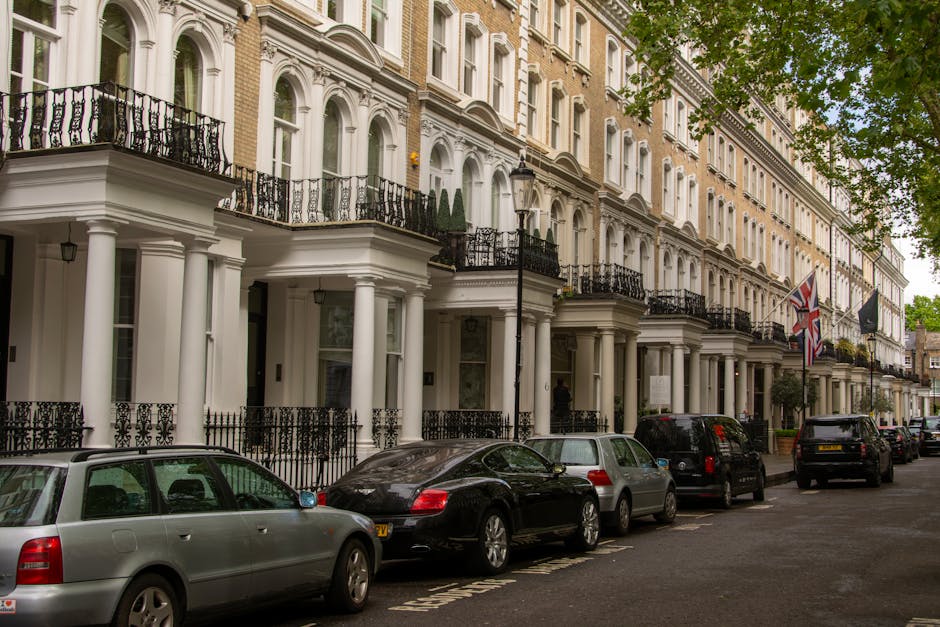
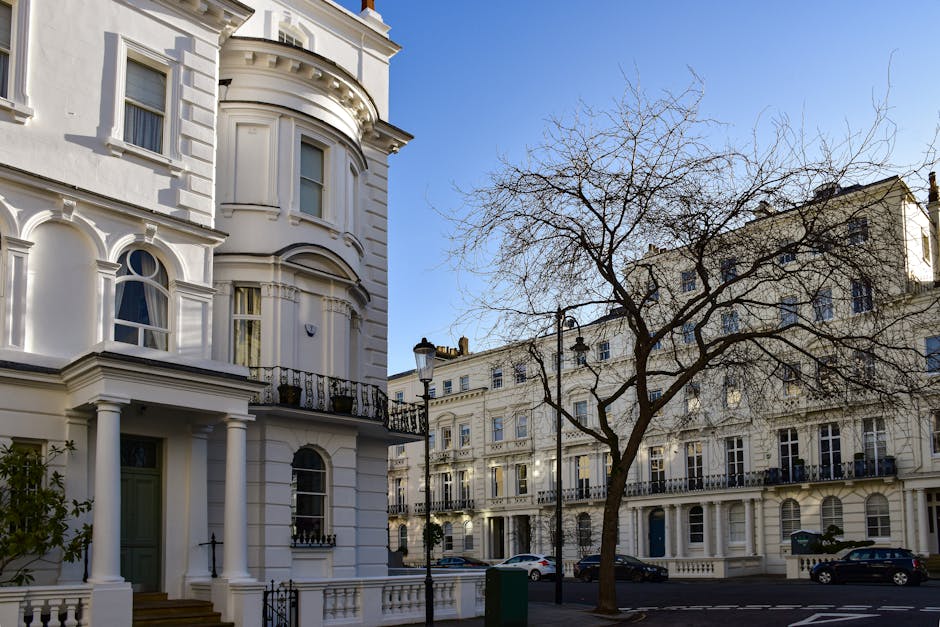
Case study: relocating a Kensington family from Queen's Gate
Moving a family in Kensington is rarely just a matter of boxes and a van. Around Queen's Gate, you are dealing with tight streets, controlled parking, elegant but awkward stairwells, school runs, neighbours, timing, and the small but very real pressure of keeping family life ticking along while everything else is in motion. This case study on relocating a Kensington family from Queen's Gate looks at the moving process in practical terms: what matters, how a well-run move typically works, where the risks are, and how to plan so the whole day feels calm rather than chaotic.
If you are comparing options, preparing for a local move, or simply trying to understand what a premium London relocation actually involves, this guide will give you a grounded view. No hype. No vague advice. Just the details that make a difference when the front door opens, the clock is ticking, and the van needs to be in the right place at the right time.
Table of Contents
- Why This Relocation Matters
- How the Move Typically Works
- Key Benefits and Practical Advantages
- Who This Is For and When It Makes Sense
- Step-by-Step Guidance
- Expert Tips for Better Results
- Common Mistakes to Avoid
- Tools, Resources and Recommendations
- Law, Compliance, Standards, or Best Practice
- Options, Methods, or Comparison Table
- Case Study or Real-World Example
- Practical Checklist
- Conclusion
- Frequently Asked Questions
Why This Relocation Matters
A family move from Queen's Gate is not a generic domestic move. The area has its own rhythm: busy roads at certain times, limited loading space, and properties that can be beautiful but not always easy to access. That means the difference between a smooth move and a stressful one often comes down to planning, timing, and the ability to adapt quickly on the day.
In our experience, Kensington moves are rarely difficult because of one huge problem. It is usually a stack of smaller ones. A long carry from the vehicle. A lift that is smaller than expected. A key collection delay. A child who suddenly needs something important from a packed bag. Truth be told, that is normal. The job is to anticipate those little disruptions before they become big ones.
Why does this matter so much for a family? Because moving home affects everyone at once. Parents need the move to stay on schedule. Children need familiar items close to hand. Furniture, bedding, school supplies, and everyday essentials need to arrive in the right order, not buried in a random pile. A thoughtful relocation plan is not a luxury in this part of London. It is the thing that keeps the day manageable.
Expert summary: A successful Queen's Gate move is usually less about brute force and more about precision: access planning, packing order, time discipline, and clear communication with everyone involved.
How the Move Typically Works
A Kensington family relocation usually follows a structured sequence. The sequence matters because local constraints can create delays very quickly if the team is not prepared. Most efficient moves begin well before moving day, with a survey, a packing plan, and an access check for both properties.
1. Initial assessment
The first step is understanding the property itself. Is there a lift? How wide are the stairs? Is parking outside the building likely to be available, or will a loading bay or permit arrangement be needed? On Queen's Gate, these questions are not just admin. They decide how the day runs.
2. Packing strategy
Family moves need a packing order that reflects real life. Items for the first night, children's essentials, kitchen basics, documents, medicines, chargers, and school items should be separated clearly. If not, you spend the first evening hunting through tape and labels. Nobody wants that, obviously.
3. Protection and preparation
Good movers protect floors, bannisters, doorframes, and furniture before anything leaves the property. This is especially important in period homes where surfaces can be delicate and narrow hallways leave little room for error.
4. Loading and transport
Loading should be systematic: heavy items first, fragile items secured, and high-priority boxes placed where they can be unloaded quickly. Traffic, access windows, and building rules can affect timing, so the plan needs some flexibility. A van stuck at the wrong angle on a London street is a small drama nobody needs before lunch.
5. Unloading and set-up
At the new home, rooms should be labelled in a way that makes sense to the family, not just to the removal team. Beds, children's rooms, kitchen, and essentials should be prioritised. Once the basics are in place, the rest of the unpacking feels far less daunting.
Key Benefits and Practical Advantages
A well-managed relocation from Queen's Gate offers more than convenience. It protects time, reduces stress, and helps preserve a sense of normality for the household. That last part is easy to underestimate. Families usually feel the strain of moving in the small moments: where is the school coat, who packed the kettle, and why is the toothpaste nowhere to be found?
- Less disruption to family routines: School, work, and childcare commitments are easier to manage when the move is planned around them.
- Better protection for belongings: Careful handling reduces the chance of furniture damage, scuffed walls, and broken items.
- Faster settling-in: If essentials are unpacked first, the new home starts to feel liveable much sooner.
- Improved access management: A local move team that understands Kensington can plan for tight access, parking limits, and building constraints.
- Lower emotional strain: When the process is orderly, the move feels less like a crisis and more like a transition.
There is also a practical financial angle. Good planning can reduce wasted labour time, extra journeys, and avoidable delays. That does not mean the cheapest quote is the best value. Far from it. It means the real cost of a move includes time, risk, and how much disruption you can live with comfortably.
Who This Is For and When It Makes Sense
This kind of move is usually relevant for families who need more than a basic transport service. If you are leaving a Queen's Gate apartment or townhouse, moving within Kensington, or relocating elsewhere in London, the same core issues tend to apply: access, timing, packing priorities, and careful handling.
It makes particular sense for:
- Families with children and school schedules to protect
- Households with a lot of furniture or fragile items
- Residents of period properties with narrow staircases or limited lift access
- Anyone moving during a busy London weekday
- People who want one coordinated move rather than multiple ad hoc trips
It may also be the right approach if you are coordinating with landlords, building managers, or sale-and-purchase timings. Those moving parts matter. If one delay slips through, the rest can suddenly feel like a domino effect. Not ideal.
Step-by-Step Guidance
If you are planning a family relocation from Queen's Gate, a calm sequence helps more than clever shortcuts. Here is a practical way to approach it.
- Book early and confirm access details. Check parking restrictions, loading arrangements, floor levels, lift size, and any building rules that affect the move.
- Create a family priority list. Identify what must be unloaded first: beds, bedding, school items, kitchen basics, medications, and valuables.
- Pack by room and by urgency. A label on the box is not enough on its own. Use clear room labels and mark high-priority boxes visibly.
- Separate essentials for moving day. Keep passports, chargers, keys, documents, snacks, and a basic change of clothes with you rather than on the van.
- Protect fragile and high-value items carefully. That can mean specialist wrapping, stronger cartons, or a separate handling plan for artwork and antiques.
- Prepare the old property for loading. Clear hallways, remove trip hazards, and keep pets or young children safe and out of the main flow.
- Set up the new home in the right order. Bedrooms first if needed, then kitchen basics, then living spaces. You will feel the benefit almost immediately.
One small but useful habit: make a simple note of what goes into the family essentials bag. It sounds almost too basic to mention, yet it saves time and a fair bit of frustration later on.
Expert Tips for Better Results
There are a few details that experienced movers notice immediately, and they are often the difference between a decent move and a genuinely smooth one.
Plan around traffic rather than hoping for the best
Queen's Gate and the wider Kensington area can be less forgiving than people expect. A move that starts a little too late may collide with traffic, school runs, or building access windows. Starting earlier often helps, especially if you have a full household to move.
Label for the people who will actually unpack
Room labels are useful, but family-specific labels are better. For example: "children's bedtime boxes," "kitchen day one," or "office essentials." This sounds minor. It is not. It makes the end of the day feel far less chaotic.
Keep a small load-out box for the essentials
Tea bags, kettle, basic tools, phone chargers, wipes, snacks, and medication can save the first evening. You do not want to be tearing through sealed boxes just to make a cup of tea. Simple things, but they matter.
Ask about handling awkward items before the move
Large mirrors, pianos, glass cabinets, or oversized wardrobes need a plan. If you leave these questions until moving day, you are already behind.
Use the move as a reset, not just a transfer
Families often try to move everything exactly as it was. Sometimes that works. Often it just recreates clutter in a new place. If something no longer earns its keep, it may be worth letting it go before the move. A small victory, but a real one.
Common Mistakes to Avoid
Even experienced households can stumble here, especially in a high-pressure local move. The most common mistakes are usually quite ordinary.
- Underestimating access problems: A beautiful building can still be awkward to move through.
- Packing essentials too early: If the kettle or children's evening items are packed away, the first night becomes harder than it needs to be.
- Not confirming timings: Small scheduling gaps can lead to avoidable waiting and extra stress.
- Overloading labelled boxes: Heavy boxes are harder to move and more likely to split.
- Ignoring fragile item priorities: Some belongings need special care, not just extra tape.
- Forgetting building rules or parking constraints: These details can cause delays that ripple through the whole day.
The biggest mistake, honestly, is treating the move like a generic house shift when the location demands more thought than that. Kensington has its own pace and its own quirks. Respect those, and the day usually goes much better.
Tools, Resources and Recommendations
You do not need a shelf full of gadgets to move well. But a few basic tools and habits can make a meaningful difference.
| Tool or resource | Why it helps | Best use |
|---|---|---|
| Clear labels and markers | Speeds up unloading and unpacking | Mark rooms and priority boxes |
| Strong packing tape | Reduces box failures | Use on heavier or frequently handled boxes |
| Protective wrapping | Helps safeguard fragile items | Glassware, framed art, mirrors, ornaments |
| Essentials bag | Keeps first-day items accessible | Documents, toiletries, snacks, chargers, medications |
| Room-by-room inventory | Supports unpacking and checking items | Useful for families and larger homes |
If you are trying to reduce chaos, a written inventory is underrated. Not glamorous, admittedly, but very effective. It helps you check that everything arrived and gives you a clear starting point if something needs attention.
You may also want to prepare a simple floor plan for the new home. It does not need to be fancy. Even a hand-drawn layout with room names can save time on the day. People often assume the team will just "figure it out." Usually they do, but a little guidance makes everything quicker and calmer.
Law, Compliance, Standards, or Best Practice
Any London home move should be handled with sensible care around access, safety, and property protection. While the exact requirements can vary depending on the building, the street, and the moving provider's own procedures, a few best-practice principles are especially relevant in Kensington.
First, parking and loading arrangements should be checked in advance. In busy residential streets, you cannot assume a van can simply stop outside the door. Planning for legal parking, loading restrictions, or building-specific access rules is part of a professional move, not an optional extra.
Second, safe manual handling matters. Heavy lifting should be done with proper technique and enough people for the job. That may sound obvious, but on narrow stairs and tight landings, shortcuts can quickly become injuries or damage. Not worth it.
Third, if items include valuables, antiques, artwork, or unusually fragile belongings, they need to be declared and handled appropriately. A careful mover will usually discuss this early rather than guessing on the day.
Finally, house moves should respect building rules, neighbours, and communal spaces. That means protecting hallways, keeping noise sensible, and avoiding unnecessary obstruction. In a place like Queen's Gate, courtesy is not just polite. It is practical.
Options, Methods, or Comparison Table
Families relocating from Queen's Gate typically choose between a few broad approaches. The right one depends on how much time you have, how much furniture you are moving, and how hands-on you want to be.
| Method | Best for | Advantages | Trade-offs |
|---|---|---|---|
| Full-service family move | Busy households with limited time | Less stress, coordinated packing and transport, smoother day | Usually costs more than DIY options |
| Self-packed move with transport only | Families who want more control | Can reduce service scope and give flexibility | More work for the household, higher chance of packing stress |
| Phased move | Large homes or complex schedules | Useful when access or timing is tricky | Can take longer and may need extra organisation |
In many Kensington cases, a full-service approach is easier to live with because it reduces the number of decisions you have to make under pressure. On the other hand, if you are highly organised and have already packed most of the house, a simpler transport-led method may be enough. It depends. There is no magic answer here.
Case Study or Real-World Example
Here is how a typical Queen's Gate family relocation might unfold in practice.
A family of four is leaving a first-floor Kensington flat and moving to a house elsewhere in west London. The parents work full-time, the children are in school, and the move has to happen on a weekday so that the handover aligns with completion timing. The property has limited outside space, so parking and loading need to be planned carefully. There is also a narrow internal staircase and several items that are awkward to move: a dining table, a bookcase, a large mirror, and two children's beds.
The first useful step is not packing. It is sorting the move by urgency. Bedding, school bags, kitchen basics, medication, and work devices are set aside for same-day access. Furniture is measured, and the team checks which items will need protection or disassembly. The family also agrees which room should be set up first at the new address, which saves time later. Simple, but effective.
On moving day, boxes are grouped by room, the hallway is cleared, and a small essentials bag is kept with the parents rather than loaded into the van. Because the street is busy, the loading window is used efficiently and the team keeps a close eye on access. At the new home, the beds and children's items are prioritised before the bulk of the furniture arrives. By evening, the family can sleep in proper beds, find the kettle, and sit down without staring at a wall of unlabeled boxes. That is the real win.
This kind of move does not depend on luck. It depends on doing ordinary things well and refusing to leave the awkward bits until the last minute. Nothing glamorous. Just good judgement.
Practical Checklist
Use this checklist to keep the move on track. It is deliberately simple, because simple gets used.
- Confirm moving date and access windows
- Check parking, loading, and building rules
- Measure large furniture and doorways
- Pack an essentials bag for the family
- Label boxes by room and priority
- Separate fragile and valuable items
- Clear hallways and protect floors where needed
- Arrange care for children or pets on the day
- Keep phones charged and important numbers handy
- Prepare the first room to be set up at the new home
- Do a final walk-through before leaving
- Check off items as they are unloaded
Quick takeaway: If you want the move to feel controlled rather than frantic, focus on access, essentials, and sequence. Those three things carry most of the weight.
Conclusion
A case study: relocating a Kensington family from Queen's Gate is really a study in thoughtful planning. The area, the property type, and the pace of family life all shape the move, which is why a local, detail-led approach usually works best. Get the access right, pack with intention, and keep the family essentials close. That alone removes a surprising amount of pressure.
What looks like a complicated move at the start often becomes manageable once the structure is in place. And that is encouraging. You do not need perfection, just a clear plan and people who understand the realities of moving in London.
Get a free quote today and see how much you can save.
When the boxes are stacked and the last light is fading through the window, it is the calm details that stay with you. That is usually the sign the move was done properly.
Frequently Asked Questions
What makes a Queen's Gate family move different from a standard house move?
Queen's Gate moves often involve tighter access, parking constraints, and buildings that require more careful handling. Families also need the move organised around daily routines, which adds another layer of planning.
How early should I start planning a Kensington relocation?
As early as you reasonably can. The more complex the property access and family schedule, the sooner you should confirm details, sort packing, and decide what needs specialist handling.
Do I need to pack everything myself before moving day?
Not necessarily. Some families prefer full packing support, while others handle part of it themselves. What matters most is that essentials, fragile items, and high-priority belongings are clearly separated.
What should go in the essentials bag for moving day?
Think documents, keys, chargers, medication, toiletries, snacks, a change of clothes, and anything children may need quickly. Keep it with you rather than loading it away.
How do I reduce stress for children during the move?
Keep familiar items accessible, explain the sequence in simple terms, and make sure their rooms or bedtime items are prioritised at the new home. Familiarity helps more than people think.
What happens if parking outside Queen's Gate is limited?
That is common in London. The move should be planned around legal parking or loading options, and timing may need to be adjusted to avoid unnecessary delays.
Is it worth paying for a full-service move?
For many busy families, yes. A full-service move can reduce stress, save time, and improve organisation. The value usually comes from smoother execution rather than just lifting and transport.
How are fragile or valuable items usually handled?
They should be wrapped, packed, and loaded with extra care, sometimes separately from the main household items. If something is unusually delicate or valuable, it is best to flag it early.
What are the most common moving-day delays?
Access issues, parking problems, missing keys, last-minute packing, and poorly labelled boxes are all common causes. Most of them are avoidable with decent preparation.
Can a move in Kensington be done in one day?
Often, yes, especially for local moves or moderately sized households. But success depends on access, volume, packing readiness, and whether the properties are straightforward to work with.
What should I do the night before the move?
Keep essentials together, charge devices, confirm timings, clear access paths, and make sure the family knows what is happening next. A calm evening before a move is worth its weight in gold.
How do I know if my move needs special planning?
If you have large furniture, fragile items, children, pets, limited access, or a tight completion window, special planning is sensible. In Kensington, that is often the rule rather than the exception.