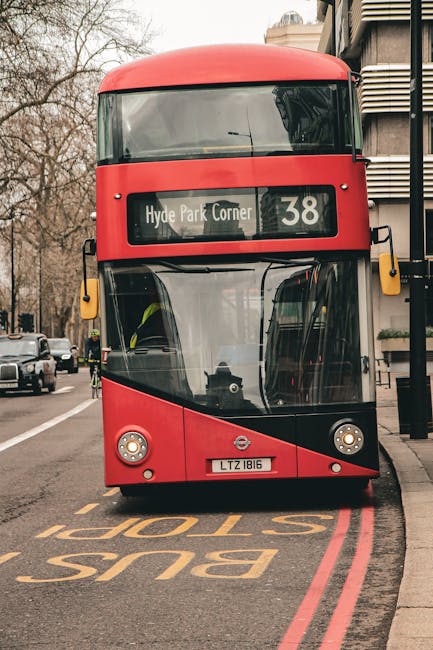
Guide to removals near Kensington Palace and Hyde Park

Moving in central London is never just about lifting boxes. If you are planning removals near Kensington Palace and Hyde Park, you are dealing with elegant streets, controlled access, busy visitor flow, parking pressure, and the kind of timing issues that can turn a simple move into a long day. A good plan matters here. So does choosing the right service level, from a full home move to a flexible man and van service for smaller loads.
This guide breaks down how removals in this part of London work, what to watch for, and how to make the process smoother from the first quote to the last item placed in your new home. Whether you are moving into a flat near Hyde Park, relocating a townhouse close to Kensington Palace, or shifting office equipment across the neighbourhood, the same core principles apply: plan access carefully, pack intelligently, and match the moving service to the job.
One quick truth be told: the move itself is often the easy part. The real challenge is everything around it.
Why Guide to removals near Kensington Palace and Hyde Park Matters
Moving close to Kensington Palace and Hyde Park means working in one of London's most recognisable and access-sensitive areas. The streets can be narrow, parking is often limited, and the pace around major landmarks is rarely quiet for long. That combination changes how a move should be planned. A schedule that would be fine in a suburban area may be unrealistic here.
This matters because removals are not only about transport. They are about managing risk: damage to property, delays caused by access issues, and extra stress for everyone involved. In a busy central area, even a small delay can ripple through the rest of the day. If the team arrives and cannot stop close enough to the entrance, the job becomes slower and more physically demanding immediately.
For households, that might mean moving out of a top-floor flat with limited lift access. For businesses, it might mean carefully timing an office relocation so staff, deliveries, and building access do not clash. And for anyone moving furniture or bulky items, the local layout can make professional help far more valuable than it would be elsewhere. If you are comparing service options, it is worth looking at house removalists for larger domestic moves and commercial move support for business relocations.
Expert summary: In this part of London, good removals are won before moving day begins. Access planning, realistic timing, and the right vehicle matter just as much as lifting and loading.
How Guide to removals near Kensington Palace and Hyde Park Works
A successful move in this area usually follows a straightforward sequence, but each stage needs more care than people expect. First, you assess the size of the move and the constraints of the property. Then you decide what level of service you need: a full packing-and-moving service, a simple man with a van option, or perhaps a larger vehicle through removal truck hire.
Next comes access. That means checking where the vehicle can stop, whether there are stairs, lifts, concierge procedures, and whether any permits or building notifications are needed. A good mover will ask these questions early because they affect the size of the crew, the type of vehicle, and the time required.
After that, packing and preparation begin. Fragile items, artwork, mirrors, and electronics need special care. If you want to reduce the chance of breakage or last-minute panic, professional packing and unpacking services can save a surprising amount of time, especially for households with many breakables or offices with mixed equipment.
Finally, on moving day, the team loads, transports, unloads, and places items as requested. The best moves feel boring in the best possible way: organised, calm, and without drama. That is what you want.
Key Benefits and Practical Advantages
The obvious benefit of hiring a professional removal service near Kensington Palace and Hyde Park is convenience. The less obvious benefit is control. A well-run move gives you more predictability in a part of London where unpredictability is common.
- Less stress: A structured move removes a lot of the burden from you and your family or team.
- Better handling of valuables: Furniture, mirrors, antiques, and office kit are moved with more care.
- Fewer delays: Experienced crews understand London access issues and adjust quickly.
- Right-sized vehicles: Using the right truck or van avoids wasted trips and space problems. A moving truck is useful when volume matters, while smaller loads may suit a van-based service better.
- Time efficiency: Professional packing, loading, and route planning can significantly shorten the move window.
- Cleaner handover: A more organised move helps when you need to vacate promptly and leave a property in respectable condition.
There is also a practical financial angle. Moves that are disorganised tend to cost more in hidden ways: extra hours, repeated trips, damaged items, and missed deadlines. Even if a premium service looks more expensive upfront, it can be the safer choice when the local environment is tricky.
Who This Is For and When It Makes Sense
This guide is useful if you are moving within the Kensington and Hyde Park area, relocating from elsewhere into the neighbourhood, or leaving it for another part of London. It is especially relevant if your property has limited access, sensitive communal areas, or time restrictions that make a casual DIY move unrealistic.
Typical readers include:
- Homeowners moving to or from apartments, maisonettes, or townhouses
- Tenants working within lease-end deadlines
- Landlords arranging furniture clearance or refreshes
- Small businesses needing a local office relocation
- Anyone moving bulky furniture, white goods, or mixed household contents
- People who need a one-off vehicle and loading support rather than a full removals team
If you are moving a full household, a structured home move service is often the most practical route. If you only need to shift a few items, a smaller service may make more sense. And if you are moving desks, files, and IT equipment, the process is different again; office relocation services are designed for business continuity, not just transport.
Put simply, the right choice depends on what you are moving, how much there is, and how quickly it needs to happen.
Step-by-Step Guidance
Here is a practical way to approach removals near Kensington Palace and Hyde Park without overcomplicating things.
- Survey the property early. Walk through every room and note stairs, lifts, tight hallways, parking limitations, and any items that need special handling.
- Separate what is moving, storing, donating, or discarding. Do this before boxes are sealed. The last-minute pile in the corner is how moves get messy.
- Choose the right service level. For a few large items, furniture pick-up may be the simplest solution. For a bigger household, a full removal team may be better.
- Confirm vehicle access. Check where the vehicle can stop, whether there are loading restrictions, and whether the route to the front door is clear enough for trolleys and carry items.
- Pack by priority, not by room alone. Create an essentials box for documents, chargers, medication, toiletries, and basic kitchen items.
- Label clearly. Use destination room names, fragile notes, and priority markings. This makes unloading faster and reduces confusion.
- Protect the awkward items. Mirrors, lamps, TVs, and artwork often need better wrapping than people expect.
- Keep a contact line open. On moving day, the team may need to confirm access details, timing, or arrival instructions quickly.
- Do a final walk-through. Check cupboards, lofts, sheds, and behind doors before leaving. It is remarkable how often one shoe, one cable, or one important folder gets left behind.
If you want a more hands-off experience, pairing the move with professional packing and unpacking support can reduce the amount of work on both ends of the day. It is not essential for every move, but in busy central London it can be a very sensible upgrade.
Expert Tips for Better Results
Small decisions make a big difference in this area. The following tips come up again and again in well-run moves.
- Book earlier than you think. Central London schedules fill quickly, especially around month-end and weekends.
- Use the smallest sensible vehicle. Too large can create access problems; too small can mean extra trips. The sweet spot depends on the property and item list.
- Protect floors and doorways. Older properties and polished finishes deserve extra caution, especially where heavy furniture is involved.
- Keep items grouped by weight and fragility. Mixed boxes slow everything down.
- Ask about insurance and liability before moving day. You want the basics confirmed clearly, not assumed.
- Plan for building rules. Some buildings are more procedural than practical. That is normal in this part of London.
- Leave breathing room in the schedule. If your move is tightly timed with keys, cleaners, or a handover, add a buffer if possible.
One small but valuable habit: keep a separate folder for tenancy papers, building contact details, inventory lists, and identification. People often remember the kettle; they forget the paperwork. Not ideal.
For service quality and company background, it can also help to review the mover's about us information before booking. That gives you a better sense of how they work and what kind of jobs they handle regularly.
Common Mistakes to Avoid
Most moving problems are surprisingly predictable. The same mistakes tend to show up again and again, and most are avoidable with a bit of planning.
- Underestimating access difficulty: A property that looks easy in daylight can become awkward once a removal truck is actually trying to stop nearby.
- Overpacking boxes: Heavy boxes are hard to carry, more likely to split, and slower to load.
- Leaving packing too late: Last-minute packing creates weak boxes and missing labels.
- Not measuring large items: Sofas, wardrobes, and beds often cause problems at doors, stair turns, and lifts.
- Forgetting building rules: Lift bookings, access windows, and concierge procedures can matter a lot.
- Choosing a service only on price: A cheap quote that ignores access or packing needs can become expensive later.
- Failing to separate essentials: If the first night box is missing, the first evening feels much longer than it should.
Another common issue is assuming that all removal services are interchangeable. They are not. A small van service is useful for one type of move, while a more complex household relocation may require a bigger team and vehicle. Matching the service to the move is usually the difference between a smooth day and a tiring one.
Tools, Resources and Recommendations
You do not need a warehouse of equipment to move well, but a few practical tools will make a noticeable difference. The goal is not to look like a professional mover. The goal is to make the work safer and easier.
| Tool or resource | Why it helps | Best for |
|---|---|---|
| Sturdy boxes | Protects items and stacks more safely in the vehicle | General household packing |
| Bubble wrap or paper wrap | Reduces damage to fragile items and corners | Glassware, decor, electronics |
| Labels and marker pens | Speeds up unloading and room placement | Every move, without exception |
| Furniture blankets | Helps prevent scuffs and scratches during transport | Wooden furniture, tables, cabinets |
| Trolley or dolly | Makes heavier items safer to move over short distances | Flats, offices, and basement access |
| Professional vehicle hire | Ensures the load fits properly and travels securely | Larger home or office moves |
For readers comparing options, a useful rule is this: if you have one or two awkward items, a van-based move may be enough. If you have multiple rooms, fragile goods, or a tight deadline, a full moving team is usually better. For larger jobs, moving truck options or dedicated truck hire can be more practical than trying to force everything into a smaller vehicle.
If you still have questions before booking, the simplest next step is usually to contact the team directly and explain the property layout, item list, and move date. Clear information leads to a better quote and a better plan.
Law, Compliance, Standards, or Best Practice
For removals in central London, the main compliance concerns are usually practical rather than heavily legal. That said, good movers should still operate responsibly and in line with accepted UK moving industry norms.
Here are the points worth checking carefully:
- Parking and loading restrictions: Local restrictions may affect where and when a vehicle can stop. These vary by location and should be checked in advance.
- Building access rules: Many apartment blocks and managed buildings have move-in or move-out procedures, lift bookings, and protection requirements.
- Insurance arrangements: Ask what cover is included and what exclusions may apply. The details matter more than vague reassurance.
- Item handling expectations: Fragile or high-value goods may need special packing or pre-agreed handling terms.
- Terms and conditions: Always review booking terms, timing policies, and any cancellation rules before confirming. A quick look at the terms and conditions is time well spent.
- Data and privacy: If you are sharing contact details, addresses, or access instructions, it is sensible to know how that information is handled. The privacy policy should make that clearer.
Best practice is simple: clarify the move details early, confirm responsibilities in writing where possible, and do not assume access, timing, or insurance are included unless they are explicitly stated. That approach helps avoid awkward conversations on moving day.
Options, Methods, or Comparison Table
Different moves call for different setups. Here is a practical comparison of common approaches used near Kensington Palace and Hyde Park.
| Service type | Best for | Strengths | Watch-outs |
|---|---|---|---|
| Man and van | Small flats, single items, light local moves | Flexible, efficient, usually quick to arrange | May not suit large or complex loads |
| Full home move | Households with multiple rooms and furnishings | More support, better for packing and loading | Needs more planning and clearer access details |
| Furniture pick-up | Bulky furniture or a few large items | Simple, direct, practical | Not a full relocation solution |
| Office relocation | Businesses, studios, and managed workspaces | Helps protect continuity and reduce downtime | Requires careful scheduling and labelling |
| Truck hire | Large loads or jobs needing more cargo space | Volume capacity, better for whole-house moves | Needs confident loading and access planning |
The right choice is usually obvious once you list the number of rooms, the type of items, and whether you are moving alone, with family, or with colleagues. If you are still unsure, a short conversation with a removal specialist can clarify a lot very quickly.
Case Study or Real-World Example
Imagine a couple moving from a second-floor flat near Kensington Gardens into a nearby townhouse. They have a sofa that barely fits around tight corners, several framed prints, a small dining table, and too many books for comfort. They also have a move-out deadline and only a narrow loading window.
If they try to handle the day with a small car and a few friends, the move likely drags on. Boxes pile up in the hallway. The sofa becomes a problem. Someone gets tired, and the timing starts to slip. That is how stress creeps in.
Now compare that with a more structured approach. The couple books a local moving team, confirms access details in advance, and uses proper packing for the fragile items. The movers arrive with the right vehicle size, load efficiently, and place boxes by room. The same move still requires effort, but the process is controlled instead of chaotic.
That is the real value of professional removals in this area. It is not just speed. It is predictable progress.
If the move includes older furniture that needs collection or repositioning, a service such as furniture pick-up can be especially helpful for clearing awkward pieces without turning the day into a puzzle.
Practical Checklist
Use this checklist as you get closer to moving day.
- Confirm your move date, access times, and key handover details
- Measure large furniture and note tricky corners or stairs
- Choose the right level of service for the volume you are moving
- Book packing support if you have fragile or numerous items
- Label boxes by room and priority
- Set aside essentials for the first 24 hours
- Check parking, loading, and building access arrangements
- Protect floors, walls, and door frames where needed
- Keep important documents and valuables with you
- Do a final room-by-room sweep before departure
This list sounds simple, and that is exactly the point. Most good moves are built on simple things done consistently.
Conclusion
Removals near Kensington Palace and Hyde Park are manageable when you treat them as a logistics problem rather than just a lifting task. The area rewards planning, clear communication, and the right mix of service and equipment. If you choose a mover who understands local access conditions, confirm the practical details early, and pack with intent, your move is far more likely to stay on schedule and arrive intact.
Whether you need a small local vehicle, a full home move, or a more structured business relocation, the best result comes from matching the service to the reality of the property. That is what saves time, reduces damage risk, and keeps the day calm enough to be useful.
Get a free quote today and see how much you can save.
If you are ready to take the next step, review the service options, check the terms, and speak with a team that can tailor the move to your address and inventory. For many readers, the easiest starting point is a quick look at the main homepage and then a direct enquiry once you know what you need.
Frequently Asked Questions
How far in advance should I book removals near Kensington Palace and Hyde Park?
As early as possible, especially if you want a weekend slot or are moving at month-end. Central London schedules tend to fill quickly, and extra lead time helps with access planning.
Is a man and van service enough for a move in this area?
It can be, if you are moving a small flat, a few items, or limited furniture. For larger homes, awkward access, or fragile loads, a fuller service is often the better fit.
Do I need packing services or can I do it myself?
You can certainly pack yourself if you have time and the right materials. Packing services are worth considering if you have many fragile items, a tight deadline, or simply want to reduce the workload.
What should I check about building access before moving day?
Confirm lift use, stair access, loading points, concierge rules, and any booked time windows. These details are often the difference between a smooth move and a delayed one.
How do I know whether I need truck hire or a smaller van?
Think about volume, not just individual items. A few bulky pieces may fit a van, while multiple rooms of furniture usually call for a larger vehicle or truck hire.
Can movers help with office relocations near Hyde Park?
Yes, many removal teams handle business moves. Office relocation is usually planned around downtime, equipment protection, and clear labelling so work can resume quickly.
What are the most common problems during local removals?
Parking issues, underestimated access restrictions, poor packing, and under-sized vehicles are among the most common. Most of them can be reduced with early planning.
Are furniture pick-up services useful for one or two large items?
Absolutely. If you only need to move a sofa, bed, wardrobe, or similar item, a dedicated pick-up service can be simpler and more cost-effective than a full move.
Should I read the terms before booking a moving service?
Yes. It is a sensible habit. Terms often explain cancellation rules, timing expectations, and what is or is not included in the service.
How can I make moving day less stressful?
Pack early, label clearly, keep essentials separate, and confirm access details before the day arrives. A calm start usually leads to a calmer finish.
What if I only need help with part of the move?
That is common. Many people only need help with lifting, transport, a few heavy items, or furniture collection. A flexible service can often be tailored to that kind of move.
Where can I ask questions before I book?
You can use the contact page to explain your property, item list, and dates. A short conversation at the start often prevents confusion later on.