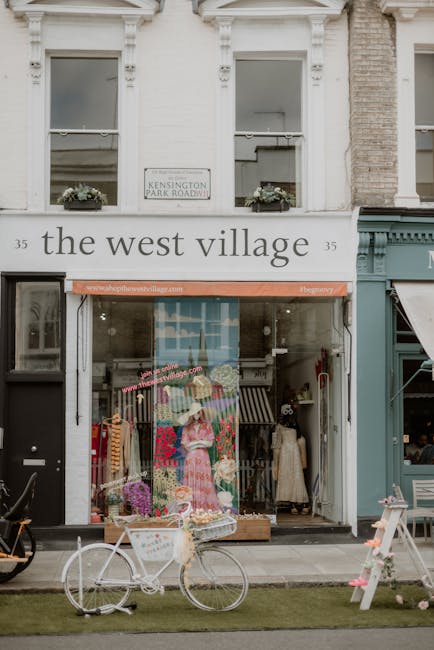
Kensington High Street Removals for Shops and Boutiques: a Practical Guide to Moving Retail Stock, Fixtures, and Style Without the Stress
If you run a shop or boutique on Kensington High Street, you already know the rhythm: early stock deliveries, careful window displays, awkward storage corners, and the constant need to keep the space looking polished. A move interrupts all of that. Kensington High Street removals for shops and boutiques is not just about lifting boxes; it is about protecting brand presentation, avoiding downtime, and making sure the next trading day does not feel like a small disaster. Done well, it can feel almost calm. Almost.
This guide walks through how retail removals work in practice, what to plan for, where the risks usually appear, and how to choose the right approach for your store, showroom, or boutique. Whether you are relocating a single independent fashion shop, shifting seasonal stock, or moving an entire retail fit-out, the details matter more than people think.
Why Kensington High Street removals for shops and boutiques Matters
Kensington High Street is a demanding place to move in and out of. The street is busy, customers come and go throughout the day, and the visual standard is high. A boutique cannot usually afford a move that leaves stock mixed up, mannequins chipped, rails bent, or opening hours blown apart. That is the core reason these removals need a specialist approach.
Retail moves are different from house removals and even different from office relocation. A shop has a public-facing identity. The way your product is handled, packed, and reinstalled affects the customer experience immediately. A velvet coat, a mirrored display table, or a point-of-sale unit does not forgive rough handling. Truth be told, neither do most shop owners.
There is also the timing issue. Retail removals often have to happen after closing, before opening, or in narrow delivery windows. On a street like Kensington High Street, that timing has to be realistic, not optimistic. If the move starts late, access is poor, or unloading takes longer than expected, the whole plan can wobble. And once a move starts wobbling, it tends to keep wobbling.
For shops and boutiques, a good removal plan protects three things at once: revenue, reputation, and stock condition. That is why careful planning matters more than brute force.
Expert summary: the best retail moves are not the fastest in theory; they are the most controlled in reality. The smoother the handover, the sooner you can trade again without the scramble.
How Kensington High Street removals for shops and boutiques Works
A well-run shop or boutique removal usually follows a sequence. It is rarely just "load van, drive, unload." There is prep, sorting, protection, transport, and reassembly. Sometimes there is a storage step too, especially if the new unit is not ready or if you are staging the move in phases.
The first stage is usually a site review. This is where the mover looks at access points, stairs, loading restrictions, lift use, narrow doorways, and the types of items that need special handling. A small boutique with delicate rails and display pieces may need a very different approach from a larger retail space with heavier shelving. That is why the first conversation matters.
Next comes packing and labelling. Stock needs to be grouped in a way that makes sense when unpacked: by category, by collection, by floor, or by launch sequence. If you sell mixed lines, you will want a system that lets staff find things quickly after the move. A box labelled "clothing" is not enough. Better is "women's knitwear, size sort, autumn rail." Small detail, huge time saver.
Then there is disassembly. Fixtures, shelving, wall units, tills, mirrors, and mannequins often need to be wrapped and dismantled carefully. If the store has bespoke joinery or branded display furniture, it is worth checking whether the mover can also help with heavier items through a service like commercial moves or support from man and van style transport where the job is smaller and more flexible.
On moving day, items should be staged in order: fragile stock first, secure items next, bulky fixtures separately, and anything urgently needed last or first depending on the reopening plan. The unloading side is just as important. If stock is unloaded randomly, your team pays for it later in confusion and extra labour. Nobody enjoys opening a shop to find the till tape in one place, the hangers in another, and the new-season accessories hiding under a pile of packaging. Not ideal.
For larger or more complex retail relocations, a dedicated vehicle can make a real difference. If you need more space and better load control, a moving truck or removal truck hire option may suit the volume better than a smaller van. If the move includes delicate unpacking and setup, it may also make sense to combine the move with packing and unpacking services.
Key Benefits and Practical Advantages
A good retail removal service saves more than labour. It creates a cleaner transition between one trading space and the next, which is often the real win. Here are the main benefits shop owners usually care about most.
- Less downtime: the sooner stock and fixtures are positioned properly, the sooner you can open your doors and resume sales.
- Better stock protection: fragile products, designer pieces, and display assets stay in better condition when packed and moved professionally.
- Cleaner inventory control: labelled packing makes it easier to track seasonal lines, bestsellers, and display items.
- Reduced stress for staff: your team can focus on merchandising and customers rather than heavy lifting and last-minute problem solving.
- More predictable scheduling: a proper plan helps you work around delivery slots, opening hours, and access limits.
- Safer handling of fixtures: rails, counters, lighting elements, and storage units are less likely to be damaged during dismantling and reassembly.
There is also a softer benefit that people underestimate: the move feels more controlled. That matters. A boutique is often an expression of a person's taste and work. When the removal is handled carefully, the new space tends to feel like an evolution rather than a mess.
If you already know your move will need some blending of store and back-office logistics, it can help to look at the broader business relocation support available through office relocation services, especially where admin, merchandising, and stock handling overlap.
Who This Is For and When It Makes Sense
Kensington High Street removals for shops and boutiques is relevant to a surprisingly wide set of businesses. It is not just for large retail chains. In fact, smaller independents often need the most care because they have less room for error and fewer spare staff to absorb the move.
This kind of service makes sense if you are:
- opening a new boutique and need stock, rails, and fittings moved in cleanly
- relocating to a different High Street unit
- refreshing a shop layout and moving fixtures into storage temporarily
- closing one retail space and consolidating stock into another
- moving a showroom, pop-up retail space, or seasonal selling area
- upgrading your premises and need an orderly de-fit and reset
It is also useful if your stock is awkward. Think framed accessories, mirrors, lamps, furniture, shoe displays, or high-value fashion items that should not be crushed into random boxes. If you have ever watched a carefully arranged display collapse because the transport plan was vague, you will know why the right team matters.
Sometimes a boutique move is too small for a full-scale removal truck but too important for a casual van and a couple of rushed trips. In those cases, a smaller, nimble service such as man with van can be the practical middle ground. For a handful of fixtures or a limited stock transfer, that flexibility can be very handy.
And yes, sometimes the move is simply about making the business more efficient. Better stockroom access, improved customer flow, less clutter behind the till. That is a real reason too. Not every move is dramatic. Some are just sensible.
Step-by-Step Guidance
Here is a straightforward way to approach a shop or boutique move without losing your head halfway through it.
- Audit everything that needs moving. Separate stock, fixtures, signage, packaging, office items, and waste. Do not leave this to memory. Memory is cheerful but unreliable.
- Decide what is going, what is staying, and what is being replaced. A move is often the perfect moment to retire broken shelving, duplicate hangers, or old point-of-sale hardware.
- Measure access properly. Check entrances, stair widths, lift sizes, loading points, and any awkward corners. A nice-looking shopfront can hide a very awkward back route.
- Build a packing system. Use labels that mean something to the people unpacking, not just to the person packing. Colour-coding can help if your team is small.
- Protect fragile or high-value items. Wrap mirrors, glass, lighting, and display pieces carefully. Keep small accessories grouped so they do not vanish into black holes of packaging.
- Set a reopening sequence. What must be installed first? What can wait? What do staff need on the first trading day? This question saves time later.
- Choose the right transport size. Smaller jobs may suit a van; larger fit-outs often need a bigger vehicle or removal truck hire.
- Unpack in the right order. Start with fixtures, then stock, then display work, then finishing touches. Otherwise the room becomes busy before it becomes useful.
One practical observation from real-world retail moves: the unpacking stage usually takes longer than people expect. Always. Even when you think you have allowed enough time, there is usually a missing bag of fixings or a box that ends up in the wrong corner. Build a little breathing room into the plan.
Expert Tips for Better Results
A few small choices can make a retail move feel much smoother. These are the habits that tend to separate a tidy relocation from a chaotic one.
Tip 1: Pack by commercial logic, not by box space. In shops and boutiques, unpacking speed matters. Group by product line, floor area, or display location, even if that means some boxes are not perfectly full.
Tip 2: Keep a "day-one" box. Put in tape, scissors, labels, batteries, till consumables, basic cleaning cloths, extension leads, and anything needed to start trading. It is a tiny thing, but on opening morning it feels like gold.
Tip 3: Photograph the existing layout before dismantling. This helps with reassembly and display continuity. A few quick phone shots can save ages later. Honestly, it is the kind of simple habit people only appreciate after the move.
Tip 4: Separate fragile stock from branded display items. They are both valuable, but they fail differently. A cracked mirror is obvious. A bent display rail may not be obvious until the shop looks slightly off.
Tip 5: Coordinate the move with your calendar, not just the mover's calendar. Avoid clashing with stock launches, delivery days, marketing shoots, or customer appointments. Retail timing is more delicate than it looks from the outside.
Tip 6: Ask about furniture handling early. If you are moving tables, cabinets, shelving, or decorative units, a service such as furniture pick up may be helpful for specific bulky pieces that need extra care or separate collection.
Tip 7: Keep communications short and clear on moving day. The best site teams use plain instructions. "That rack stays," "these boxes go to the fitting room," "these cases are fragile." Simple. Clear. Effective.
Practical takeaway: retail removals go better when every item has a destination before it leaves the old shop. Without that, the new space fills up fast, and not always intelligently.
Common Mistakes to Avoid
Most problems in boutique and shop removals are surprisingly ordinary. They are not dramatic disasters; they are small, preventable mistakes that stack up.
- Leaving packing too late: stock and display items need time to be sorted properly. Last-minute packing almost always creates confusion.
- Underestimating access issues: a van might physically arrive, but that does not mean unloading will be simple.
- Mixing stock and debris: used packing, broken shelving, and sellable items should never travel together.
- Not labelling by area: if every box is just "misc," then every box becomes a mystery later.
- Forgetting business continuity: moving is not only a logistics task; it is a trading decision.
- Choosing the wrong vehicle size: too small means wasted trips; too large can mean unnecessary cost and awkward manoeuvring.
- Skipping reassembly planning: if you do not know where fixtures go, unpacking turns into improvisation.
One other thing: do not assume every item should be moved in one go. Sometimes a phased move is smarter. If the boutique is large or the stock is seasonal, splitting the move across days can reduce pressure and keep the business breathing. There is no medal for doing everything in one frantic sweep.
Tools, Resources and Recommendations
You do not need fancy gear to move a boutique well, but you do need the right basics. The simpler the setup, the fewer surprises.
Useful tools and supplies:
- sturdy double-walled boxes for stock and accessories
- labels and permanent markers
- tape, bubble wrap, and protective paper
- blanket wraps for furniture and fittings
- zip bags for screws, brackets, and fixings
- inventory sheets or simple spreadsheet tracking
- door protectors and floor protection where needed
- basic cleaning materials for the final handover
Operational recommendations:
- Keep a master inventory for anything high value or hard to replace.
- Assign one person to make decisions on the day. Too many voices slows everything down.
- Plan where waste will go. Retail moves often generate more packaging than expected.
- Use a truck or van size that fits the load realistically, not optimistically.
- Leave a small margin of time for checking fixings and repairing minor scuffs before reopening.
If your move includes a mixture of stock, packaging, and a few bulky items, a smaller, flexible transport solution may suit. For some retailers, man and van support is enough. For larger, more structured moves, a dedicated vehicle and possibly moving truck hire is usually more efficient.
Law, Compliance, Standards, or Best Practice
Retail removals in the UK sit within a practical framework of duty of care, safe handling, and reasonable business management. The exact obligations vary depending on the premises, the items being moved, and the working arrangement on site, so it is sensible to stay cautious and use common best practice.
For example, if staff are helping with packing or loading, the work should be organised so that heavy lifting is kept sensible and risks are reduced. If the shop is in a shared building or busy street environment, access rules, delivery times, and building permissions also need to be respected. In Kensington, that often means planning around access realities rather than hoping for a perfect gap in traffic. Hope is not a strategy, as the saying goes.
Where stock includes high-value goods, good inventory control is part of risk management. Record what leaves, what arrives, and what needs checking on site. That helps if there is damage, a missing bracket, or a fixture that does not quite match the old layout.
It is also wise to review terms and conditions before booking any move, especially where timing, access, and liability are important. If you want to understand the service framework in plain language, reviewing the available terms and conditions and privacy policy is a sensible step. That is not glamorous, no, but it is the sort of detail that prevents awkward misunderstandings later.
For business owners, the safest approach is simple: use careful planning, document the key items, and choose a mover who understands retail work rather than treating it like generic household furniture.
Options, Methods, or Comparison Table
Not every boutique move needs the same setup. The right method depends on volume, fragility, timing, and how much help you need with packing or assembly.
| Move method | Best for | Strengths | Trade-offs |
|---|---|---|---|
| Man and van | Smaller stock transfers, a few fixtures, quick local moves | Flexible, simple, often efficient for light to medium loads | Limited space for large fit-outs or bulkier display furniture |
| Moving truck | Larger boutique relocations, full shop contents, mixed loads | More capacity, better for organised loading | May be more than you need for a very small move |
| Removal truck hire | Structured retail moves where you want dedicated transport | Good control over logistics, suitable for heavier volumes | Needs a clearer plan to use the vehicle efficiently |
| Commercial moves support | Retailers needing a wider business relocation plan | Useful for combined stock, fixtures, and operational items | Can require more coordination at the planning stage |
There is no universal winner here. A tiny accessories boutique may only need a nimble transport arrangement. A larger fashion store with shelving, mirrors, stock rails, and office materials may do better with a fuller commercial setup. The right answer depends on what you are actually moving, not what sounds impressive.
Case Study or Real-World Example
Imagine a small boutique on Kensington High Street that is moving two doors down to a slightly larger unit. The owner has a curated mix of clothing, fragile accessories, display plinths, mirrored wall pieces, and a compact back-office area. On paper, it looks manageable. In practice, there are a dozen little decisions.
The team starts by sorting stock into keep, move, and replace piles. Seasonal rails are labelled by collection. Mirrors are wrapped separately. The cash desk, packaging supplies, and fitting-room signage go into a first-day box. A quick photo set is taken of the old display layout before anything is dismantled. Very ordinary, very useful.
On moving day, the stock goes first in a structured sequence. Fixtures are loaded apart from merchandise. The unloading process is planned so the display counter and shelving arrive before the fashion stock. That means the new shop can be built from the inside out rather than the outside in. There is still work to do, of course. Always is. But the move finishes with the boutique ready to arrange the floor, steam garments, and open with far less chaos than expected.
The owner later says the key difference was not speed. It was order. That tends to be the pattern with retail removals. A calm system beats a heroic scramble every time.
Practical Checklist
Use this checklist before the move starts. It keeps the main risks visible.
- Inventory all stock, fixtures, signage, and equipment
- Identify fragile, high-value, or branded items
- Measure access points, stairways, and loading areas
- Confirm moving date, time window, and building access
- Label boxes by category and destination area
- Separate waste, packaging, and sellable goods
- Photograph displays and fixture layouts before dismantling
- Prepare a day-one essentials box
- Choose the right transport size for the load
- Plan the reopening sequence in advance
- Check fixings, brackets, and assembly parts are bagged together
- Set aside time for a final clean and visual reset
If any of these steps feels uncertain, slow it down and fix the plan before moving day. That extra hour now can save half a day later. Sometimes more.
Conclusion
Kensington High Street removals for shops and boutiques works best when it is treated as a business transition, not just a transport job. The aim is simple: protect stock, preserve presentation, control downtime, and make reopening feel composed instead of chaotic. With the right planning, the move can be orderly, efficient, and even a little satisfying.
Whether you are relocating a small independent boutique, shifting retail fixtures, or managing a larger commercial move, the real advantage comes from preparation and the right level of support. If you need help making the process cleaner and less stressful, a well-matched removals service can make all the difference.
Get a free quote today and see how much you can save.
And when the last box is in place and the lights are back on, the shop feels like itself again. That moment is worth planning for.
Frequently Asked Questions
What is Kensington High Street removals for shops and boutiques?
It is the specialist process of moving retail stock, fixtures, display items, and sometimes back-office equipment for shops and boutiques on or around Kensington High Street. The focus is on protecting goods, managing access, and reducing downtime.
How is a boutique move different from a house removal?
A boutique move usually involves stock organisation, branded fixtures, fragile display items, and tighter timing around trading hours. House moves are more about personal belongings; retail moves are about business continuity too.
How far in advance should I book a shop removal?
As early as you can, ideally once the move date is becoming firm. That gives you time to sort stock, measure access, plan labels, and make sure the transport matches the load. Last-minute retail moves are possible, but they are rarely relaxed.
Can a small boutique use a man and van service?
Yes, if the move is modest and the volume is manageable. A smaller transfer of stock or a limited number of fixtures may suit a more flexible option such as man and van or man with van.
What should I pack separately for opening day?
Keep a day-one box with tape, scissors, labels, batteries, till consumables, cleaning cloths, extension leads, and any small items needed to set up and trade. That box saves a lot of faff when everyone is tired.
Do I need to dismantle shop fixtures before the move?
Usually, yes, if they are large or awkward to transport safely. Shelving, rails, counters, mirrors, and branded fittings often travel better when partially dismantled and properly wrapped.
How do I protect fragile stock during a boutique move?
Use suitable wrapping, sturdy boxes, and clear labelling. Separate fragile stock from heavy items and keep high-value pieces tracked in a way that makes sense for unpacking. A little extra time here is worth it.
What if my new shop is not ready yet?
Then you may need a phased move or temporary holding plan. Some retailers use a combination of transport and storage-friendly planning to bridge the gap. The important thing is not to let the stock plan drift without a clear destination.
Is a moving truck better than a van for retail removals?
It depends on the size of the load. A van can suit smaller jobs, but a larger boutique move is often easier with a moving truck or removal truck hire because it gives you more capacity and better load organisation.
What are the most common mistakes in shop removals?
The big ones are late packing, poor labelling, underestimating access issues, and not planning the unpacking order. These are small mistakes on paper, but they create real delays on the day.
Can retail removals include packing and unpacking help?
Yes. Many shop owners find it helpful to combine the transport with packing and unpacking services, especially when there is a lot of stock or delicate display material to manage.
What should I check before booking a removal company?
Check the service scope, the vehicle size, the handling approach for fragile or valuable items, the timing, and the terms. If you have specific concerns about service conditions or data handling, reviewing the available policy pages is sensible too.
How can I make reopening faster after the move?
Plan your unpacking sequence before moving day, keep key items in a first-day box, photograph the old layout, and make sure the fixtures arrive in the right order. Reopening speed comes from good preparation, not rushed effort.
Where can I ask about a commercial retail move?
If you want to discuss the move directly, the sensible next step is to use the company's contact route through contact us. For background on the business, you can also review about us.