Street closure, kerbspace and fines: Kensington removals rules
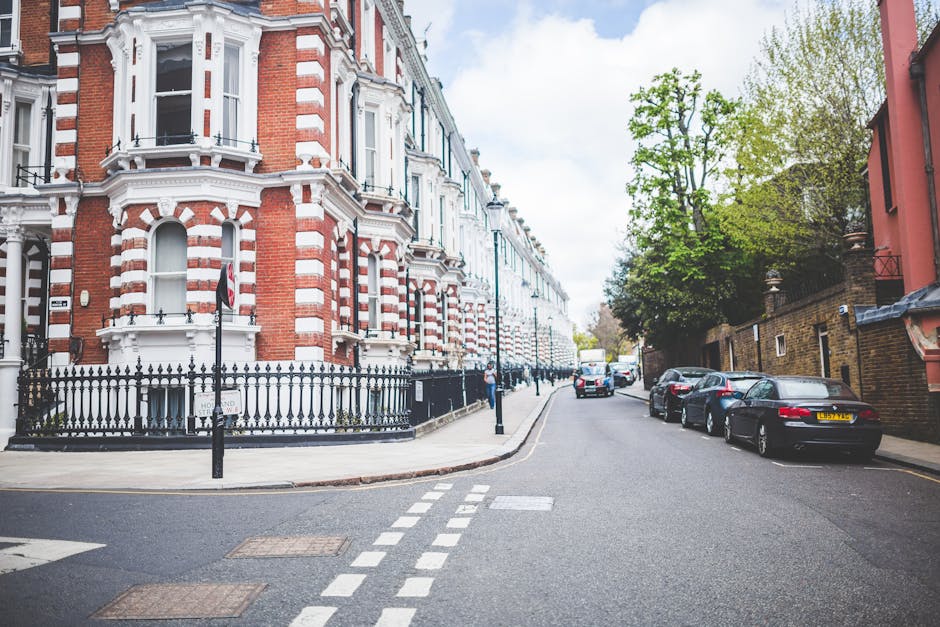
Moving in Kensington can be a tightrope walk. One minute you are counting boxes and booking a van; the next you are dealing with bay suspensions, narrow streets, timed access, and the very real risk of a parking fine if the kerbspace is not sorted properly. That is exactly why understanding Street closure, kerbspace and fines: Kensington removals rules matters before moving day, not after the ticket lands on the windscreen.
In practice, a good move here is rarely just about lifting furniture. It is about planning where the vehicle can stop, whether part of the street needs to be reserved, how long loading will take, and what happens if another car is already in your spot at 8 a.m. on a weekday. This guide breaks all of that down in plain English, with practical steps, common mistakes, and a few real-world tips that tend to save people money, stress, and a lot of faffing about.
Why Street closure, kerbspace and fines: Kensington removals rules Matters
Kensington is not the kind of place where a removal truck can just pull up, idle for a while, and hope for the best. Streets can be busy, loading space can be limited, and a short stop in the wrong place can become an expensive headache. If you are moving home, relocating a flat, or organising a commercial move, the kerbside logistics often decide whether the day runs smoothly or turns into a scramble.
The phrase street closure can sound dramatic, but in removals it often means a temporary restriction, suspension, or managed access arrangement so a vehicle can load safely. Kerbspace is the usable space at the road edge where your vehicle can stop. And fines are what happen when things go wrong: overstaying, parking where a restriction applies, blocking access, or not having the right permission in place. Simple enough in theory. In reality, there are plenty of moving parts.
Here is the thing: even a well-organised team can get caught out if the street is tighter than expected or another vehicle takes the bay before arrival. That is why a removals plan in Kensington should always think about the street, not just the building. A clean hallway is lovely. A legal parking position is better.
If you are using a man and van service, or arranging something larger like a moving truck, the size of the vehicle and the timing of the arrival matter a lot. A smaller vehicle may be easier to position, but it still needs lawful kerbspace. A larger truck may need extra planning, especially where the road layout is awkward or access is tight.
How Street closure, kerbspace and fines: Kensington removals rules Works
At a practical level, removals parking in Kensington usually comes down to three questions:
- Can the vehicle stop close enough to the property to load safely?
- Is the stopping place legally available at that time?
- What happens if the bay, curbside, or roadway access is restricted?
Street closure arrangements are usually relevant where a vehicle needs more space than a standard parking bay can provide, or where loading would otherwise block traffic or create a safety issue. Kerbspace planning is the quieter part of the same job: making sure there is enough road-edge room for the van or lorry to stand without causing a problem. Fines come into play if the vehicle ignores local restrictions, stays longer than allowed, or parks in a way that breaches a suspension or loading rule.
In a Kensington move, timing is often everything. A morning slot can work well because the street may be less congested. But it can also be the time when residents are leaving for work and every metre of kerbside is already taken. Later in the day, traffic may be heavier and loading can take longer. That is why experienced movers tend to plan for a little flexibility. Not huge amounts. Just enough to avoid a stupid little delay becoming a costly one.
For many households, a sensible starting point is to use a removals service that understands the local streets and the practical side of access. If you are moving between properties, home moves support or house removalists can help with the physical move, while packing help from packing and unpacking services can keep departure time under control. That matters because the faster the loading is organised, the less time the vehicle spends occupying kerbspace. And yes, that can make a real difference.
One small but important point: not every issue is solved by a bigger vehicle or a longer booking. Sometimes the best answer is a smarter loading plan. A short distance from doorway to vehicle, fewer hand-trips, and a clear route inside the property can reduce the time parked at the kerb. It sounds basic because it is basic. Yet people forget it all the time.
Key Benefits and Practical Advantages
Getting the street setup right is not just about avoiding fines, although that is obviously a major benefit. It also improves the whole moving experience in ways people often only notice after the fact. To be fair, that is usually how good planning works: it stays invisible because nothing goes wrong.
- Less risk of penalties: A lawful stop reduces the chance of parking tickets or enforcement action.
- Safer loading: A properly managed kerbside gives the team room to work without rushing around traffic.
- Faster completion: The nearer the vehicle can stand to the entrance, the less time is spent carrying items back and forth.
- Better protection for furniture: Fewer hand-offs and shorter carrying distances lower the risk of dings and scuffs.
- Less disruption for neighbours: Good planning means fewer blocked entrances, fewer awkward conversations, and less frustration on a narrow street.
There is also a commercial side to this. If you are moving a workspace, retail stock, or equipment, the cost of delay can be bigger than the fine itself. You may lose working hours, face staff downtime, or have to reschedule deliveries. In that context, the right vehicle and the right access plan are not luxuries. They are part of operational continuity. If you are planning a business move, the team behind commercial moves or office relocation services can be useful when the moving day needs a more structured approach.
Another quiet advantage is peace of mind. When the parking side is under control, the rest of the move feels much more manageable. You are not standing at the window thinking, "Has the van arrived? Is it even allowed there? Is that a ticket on the windscreen?" That little knot in your stomach tends to disappear.
Who This Is For and When It Makes Sense
This topic matters to almost anyone moving in or around Kensington, but some people need to think about it more carefully than others.
- Flat movers: Especially if there is limited front access, shared entrances, or permit-style parking nearby.
- House movers: Larger furniture, more boxes, and longer loading times make kerbspace planning more important.
- Landlords and tenants: End-of-tenancy moves often happen on a deadline, which leaves less room for parking errors.
- Businesses: Office equipment, stock, or archive removal can be time-sensitive and awkward to stage.
- People using a hired vehicle: If you book a removal truck hire or a larger truck, you need to think in advance about where it will sit.
It also makes sense for anyone moving from a street with heavy weekday parking pressure, or from a property near schools, busy junctions, or high-footfall routes. You do not need to be an expert in road restrictions to spot a difficult street. If you have ever looked outside at 7:45 a.m. and seen every space already claimed, you know the problem.
For a smaller move, a flexible van-based option may be enough. For example, man with van support is often a practical fit for fewer items or a short local move. If the move involves a sofa, white goods, or an awkward pickup, a service such as furniture pick-up can be the cleaner solution, especially when speed and access matter.
Step-by-Step Guidance
If you want to reduce the risk of fines and street-access problems, a structured approach helps. Here is a sensible sequence.
- Check the property access first. Look at the road width, doorway position, nearby bays, yellow lines, and any obvious loading restrictions.
- Estimate vehicle size honestly. Not everything fits into a small van. Equally, not every move needs a truck. Pick the right scale.
- Map the loading point. Decide exactly where the vehicle should stop. Short distances make a big difference.
- Plan the time window. Think about traffic, school runs, bin collections, and the general rhythm of the street.
- Allow for delays. Boxes always take longer than expected. Always. A few extra minutes can save a fine.
- Keep the route clear. Inside the property, remove obstacles and protect corners so loading can happen quickly and safely.
- Confirm the moving plan with the team. The driver and movers should know where to wait, where to load, and what to do if the kerbspace is occupied.
A simple example: if you are moving from a second-floor flat in a busy Kensington street, a van parked fifty metres away may not sound like much. But after several trips with boxes, a mirror, a mattress, and two awkward bits of furniture, that distance starts to feel endless. You will notice it in your shoulders before lunch. Getting the right stopping point can save a surprising amount of energy.
When the move involves both fragile items and a tight schedule, packing support from packing and unpacking services can be more valuable than people first assume. The goal is not just neat boxes. It is faster loading, better stacking, and less time spent standing on the pavement wondering where to put the lamp.
Expert Tips for Better Results
After enough moves, a few patterns become very clear. The best results usually come from small practical choices, not one big heroic effort on the day.
First, treat kerbspace like a priority item. It is easy to focus on boxes and forget the street. But the street decides whether the vehicle can work at all. If you are between two options, choose the one with easier access, even if it sounds slightly less convenient at first.
Second, load the essentials last and unload them first. That sounds old-school because it is. But it still works. You reduce the time spent hunting for keys, documents, chargers, tea bags, or the kettle. The kettle matters more than people admit, especially on a wet London afternoon.
Third, watch the weather and the pavement. Rain makes everything slower. Wet steps, slippery floors, and awkward corners increase the chance of delay. Kensington can go from bright and brisk to drizzly and slippery in what feels like five minutes. Not ideal, but there it is.
Fourth, keep communication short and clear. The driver needs to know where to stop. The mover needs to know which items are priority. The resident or office manager needs to know whether the vehicle is waiting or loading. Overexplaining on moving day is a classic time-waster.
Fifth, think about vehicle choice as a legal issue as much as a logistical one. A smaller van may fit the street better, but if it means more trips, the total loading time may be longer. A larger vehicle may reduce trips, but only if the kerbspace is realistic. There is no magic answer here. Just judgement, and a bit of common sense.
If you want help matching the vehicle to the job, moving truck options and the broader man and van approach can suit different access conditions. It is not about picking the "best" service in abstract. It is about picking the one that fits the street you are actually using.
Common Mistakes to Avoid
A lot of parking trouble in removals comes from avoidable assumptions. These are the ones that crop up again and again.
- Assuming the van can always stop outside the door. In Kensington, that is often not true.
- Leaving kerbspace planning until moving morning. By then, the street may already be full.
- Underestimating loading time. One flight of stairs turns into three. Boxes are heavier than they looked yesterday.
- Forgetting about nearby restrictions. Bus stops, yellow lines, driveways, bay suspensions, and access zones can all matter.
- Choosing the wrong vehicle size. Too big creates access problems; too small creates repeat trips.
- Ignoring neighbours and shared access. Blocking entrances can create avoidable conflict very quickly.
One less obvious mistake is assuming fines are just a minor nuisance. Sometimes they are. Sometimes they are the visible sign of a bigger planning error that also caused delays, stress, and extra labour time. That is why the safest route is to prevent the problem rather than clean it up later.
Truth be told, most people only make this mistake once. After that, they become fiercely organised about parking. Funny how that works.
Tools, Resources and Recommendations
You do not need fancy equipment to handle Kensington removals properly, but a few practical tools help a great deal.
- Measured floor plan or rough sketch: Useful for deciding where furniture should go and how quickly it can be carried out.
- Box labels: They cut down on confusion and reduce time spent rummaging around in the van.
- Protective blankets and wraps: Essential for larger furniture and awkward corners.
- Trolley or sack truck: Handy for heavier boxes if the route is smooth and safe.
- Clear access notes: Even a short note about stairs, gates, or entry codes can help the crew work more efficiently.
For business moves, it also helps to separate general relocation tasks from specialist handling. Office desks, files, IT equipment, and archived materials often need a cleaner chain of handling than a typical home move. That is why services such as office relocation services and commercial moves can be helpful when the job is bigger than a simple van load.
If your move includes a single bulky item or a quick clearance, a more focused option like furniture pick-up can be the neatest fit. And if you prefer to keep the move simple end to end, the wider service range on the main Kensington Storage site can help you compare what kind of support actually matches your situation. No drama. Just a better fit.
Law, Compliance, Standards, or Best Practice
This part needs careful wording, because street-closure and parking arrangements are often governed by local authority rules, traffic restrictions, and parking enforcement procedures that can vary by location and street. The safest approach is to treat all kerbside permissions as something that must be checked in advance, not assumed.
In general UK removals practice, best practice usually includes:
- confirming whether any parking suspension, loading rule, or access restriction applies;
- keeping the vehicle within the permitted time and space;
- avoiding obstruction of footways, crossings, driveways, and emergency access;
- using a vehicle size that matches the street conditions;
- ensuring the team understands the loading point before arrival.
It is also sensible to check the terms and conditions of your chosen removals provider so you understand what they include, what they do not, and how parking-related delays are handled. You can review the service terms on the terms and conditions page and read more about how personal information is handled via the privacy policy.
Where a move involves more than a standard household load, planning and accountability become even more important. A polite but direct conversation before move day can prevent a lot of confusion later. That may sound obvious, but sometimes obvious is what saves the day.
Options, Methods, or Comparison Table
If you are deciding how to handle the move, the comparison below gives a practical view of the main options. It is not a rigid rulebook; just a useful way to think about fit.
| Option | Best for | Access advantages | Watch-outs |
|---|---|---|---|
| Man and van | Smaller moves, local trips, lighter loads | Often easier to place in tighter kerbspace | May require more trips if the load is large |
| Moving truck | Larger home or office moves | Fewer round trips once parked correctly | Needs more careful street planning and room to stop |
| Removal truck hire | Moves where you want more control over the vehicle | Can suit planned loading windows well | Requires realistic assessment of the street and parking space |
| Furniture pick-up | Single bulky items or quick collections | Efficient for short stops and direct loading | Not ideal for full-property moves |
For many readers, the choice comes down to one question: do you want the most compact solution, or the fastest end-to-end load? Those are not always the same thing. A smaller vehicle can fit more easily; a larger vehicle can reduce the overall time on street. It depends on the road, the property, and how much stuff you really have. Not what you hope you have. What you really have.
Case Study or Real-World Example
Here is a realistic scenario. A couple moving out of a Kensington flat had a standard van booked for the morning. The property looked straightforward from inside, but the street had limited stopping space and nearby parking was tight. On the first pass, the van could not stay directly outside for long because another vehicle was already there. Not a catastrophe, but not ideal either.
The team adapted by repositioning slightly, breaking the load into clear stages, and keeping heavier furniture grouped near the entrance so loading ran in a clean sequence. The couple had already packed essentials separately, which helped more than they expected. A few careful decisions shaved precious minutes off the job. No heroics, just sensible planning.
The key lesson was simple: the best move is the one that accounts for the street before the boxes arrive. If they had waited until the last minute to think about kerbspace, the day would have been longer, messier, and probably more expensive. Instead, the move stayed controlled. Slightly tiring, yes. But controlled.
That kind of planning is also useful for business clients. A small office move can look easy until you realise the lift is shared, the loading bay is short, and the IT kit needs careful handling. At that point, the moving strategy matters as much as the vehicle.
Practical Checklist
Use this before move day. It is simple, but it catches most of the risky bits.
- Confirm the move date and arrival window.
- Check street access, bay restrictions, and any likely loading limitations.
- Choose the right vehicle size for the property and road conditions.
- Tell the removals team about stairs, narrow hallways, gates, lifts, or shared entries.
- Pack and label boxes early so loading is not delayed.
- Keep essentials separate and easy to reach.
- Make sure the route from door to vehicle is clear.
- Prepare for weather, traffic, and small timing shifts.
- Review the provider's terms and conditions if parking delays or access issues could affect the job.
- Have a contact number ready on the day in case the vehicle needs last-minute guidance.
Practical summary: In Kensington, the street is part of the job. If you plan the kerbspace properly, choose the right vehicle, and keep loading efficient, you reduce the chance of fines and make the whole move feel calmer.
Get a free quote today and see how much you can save.
Conclusion
Street access may not be the glamorous part of moving, but it is one of the most important. In Kensington, a good removals plan needs to account for kerbspace, possible street restrictions, loading time, and the risk of fines if things are not set up properly. That is true whether you are moving one room, a whole house, or a small business.
The real value of planning ahead is that it keeps the day moving. Fewer delays. Fewer parking issues. Less stress. And, honestly, a much better chance of finishing the job without that nagging feeling that something has been overlooked. If you get the street side right, everything else has room to breathe a bit.
And that, in a busy part of London with tight roads and busy schedules, is worth its weight in packing tape.
Frequently Asked Questions
Do I need to arrange kerbspace for a Kensington removal?
Often, yes. If the vehicle needs to stop close to the property and the street is busy or tightly parked, kerbspace planning can make the difference between a smooth load and a difficult one.
What counts as a street closure in removals?
In removals, it usually means some form of temporary access control, restriction, or managed stopping arrangement so a vehicle can load safely. The exact setup depends on the street and local rules.
Can I get fined if the van stops for too long?
Possibly, if the stop breaches a local restriction, parking rule, or time limit. The safest approach is to plan the loading window carefully and follow the applicable street conditions.
Is a man and van better than a moving truck in Kensington?
Not always. A man and van can be easier to fit into tight streets, while a moving truck may reduce the number of trips. The better choice depends on load size and road access.
How early should I think about street access before moving day?
As early as you can. Even a quick check a few days in advance helps. On busy streets, leaving it until the morning of the move is where problems often start.
What if another car is parked in the loading spot?
That is one of the most common frustrations. A flexible arrival plan, clear communication, and a backup stopping point can help. In some cases, the vehicle may need to wait briefly or reposition.
Do packing services really help with kerbspace and fines?
Indirectly, yes. Better packing usually means quicker loading, which shortens the time the vehicle needs to occupy the kerbside. That can reduce risk and keep the move more efficient.
Are there special rules for office moves?
Office moves often need more structure because of timing, equipment, and building access. It is wise to treat them separately from a standard home move and plan the street access carefully.
What is the most common removals mistake in Kensington?
Assuming there will definitely be enough room outside the property. In many streets, that assumption causes delays, extra carrying distance, and the occasional fine.
How do I choose the right service for a tight street?
Think about load size, vehicle size, and how close the vehicle can realistically stop. Smaller moves may suit a man-with-van setup; larger or more complex moves may need a truck-based option.
Can one awkward item still need proper parking planning?
Absolutely. A single sofa, bed frame, or appliance can be hard to handle if the vehicle cannot stop sensibly. The job may be smaller, but the access issue is the same.
Where can I find more information about the company and services?
You can review the about us page for background, or use the contact us page if you want to discuss your move directly.